
Emotional regulation skills involve recognizing what you are feeling, understanding your reactions, and choosing how to respond in different situations.
You do not have to eliminate frustration, sadness, disappointment, or anger to respond thoughtfully. Emotions are part of everyday life, and not every uncomfortable feeling needs to be changed immediately.
Sometimes a useful first step is simply to pause and ask:
“What am I feeling, what is happening, and what would be a helpful response?”
This four-week toolkit introduces practical exercises for emotional awareness, reflection, communication, and everyday personal growth. It is designed as a starting point for practice—not a promise that you will gain complete emotional control or experience measurable psychological improvement within four weeks.
Music can also become part of your routine. PTT Music tracks such as “Now I Know,” “Shift,” “No Distractions,” “Talk To Me,” “Face To Face,” “Reach Out,” “Steps,” and “Keep It Movin’” naturally fit themes of reflection, perspective, communication, and continued growth.
Explore the PTT Music catalog and choose tracks that fit your personal routine.
Key Takeaways
-
Emotional regulation involves noticing emotions, understanding situations, and choosing how to respond.
-
Different situations may call for different strategies, including taking a pause, changing your surroundings, reconsidering an interpretation, or communicating clearly.
-
Naming emotions and reflecting on experiences can be useful practices, but they do not guarantee immediate relief.
-
A four-week plan can help you explore several approaches without requiring you to master them on a fixed schedule.
-
Rest, personal circumstances, relationships, and the surrounding environment can affect how manageable everyday challenges feel.
-
PTT Music can accompany reflection and practice without being presented as a psychological treatment.
Table of Contents
-
What Are Emotional Regulation Skills?
-
Why Emotional Regulation Matters in Everyday Life
-
Five Ways to Approach Emotional Regulation
-
Practical Emotional Regulation Techniques to Try
-
How to Choose a Technique for the Situation
-
A 4-Week Emotional Regulation Practice Plan
-
How to Recognize and Reflect on Emotional Patterns
-
Everyday Barriers to Thoughtful Responses
-
Emotional Regulation and Communication
-
A PTT Music Playlist for Reflection and Personal Growth
-
How to Use PTT Music With Your Daily Practice
-
Frequently Asked Questions
-
Keep Growing With PTT Music
-
Sources and Further Reading
What Are Emotional Regulation Skills?
Emotional regulation refers to the ways people influence their emotional experiences, including when emotions occur, how they are experienced, and how they are expressed.
Psychologist James Gross developed an influential process model describing several points at which people can approach emotional regulation.
The model includes five broad categories:
-
Situation selection
-
Situation modification
-
Attentional deployment
-
Cognitive change
-
Response modulation
You can explore the original academic overview here:
The Emerging Field of Emotion Regulation: An Integrative Review — James J. Gross
These categories offer different ways of thinking about emotional responses.
They should not be interpreted as five steps that everyone must complete in order.
For everyday practice, emotional regulation can begin with three questions:
What am I experiencing?
What is happening around me?
What response would fit this situation?
The goal is not to feel positive all the time.
It is to become more thoughtful about what you do when emotions are part of a situation.
Why Emotional Regulation Matters in Everyday Life
Emotions can influence how we communicate, interpret situations, set priorities, and make decisions.
For example, frustration during a meeting may make it tempting to respond before another person finishes speaking.
Disappointment after receiving feedback may make it difficult to consider which suggestions could be useful.
An unexpected change in plans may create tension between what you hoped would happen and what is actually possible.
Practicing emotional regulation gives you an opportunity to consider your response rather than treating your first reaction as your only option.
This does not mean every difficult emotion is inappropriate.
Anger may point toward an important boundary. Sadness may follow a meaningful loss. Frustration may indicate that a situation needs attention.
The practical question is:
“What is this feeling telling me, and what would be a constructive next step?”
For additional guidance on self-regulation and everyday behavior, explore:
Five Ways to Approach Emotional Regulation
Gross’s process model provides a useful framework for understanding the different opportunities people may have to respond to emotional situations.
1. Situation Selection
Situation selection involves deciding which situations to enter or avoid when you have a meaningful choice.
For example, you might schedule an important conversation at a time when both people can give it proper attention.
This does not mean avoiding every uncomfortable situation.
Sometimes difficult conversations and responsibilities are necessary.
The useful question is:
“Can I choose a more appropriate time or setting?”
2. Situation Modification
Situation modification involves changing something about a situation you are already in.
For example:
-
moving a conversation to a quieter location;
-
asking for clarification;
-
requesting additional time;
-
reducing unnecessary interruptions;
-
changing an unrealistic deadline when possible.
Sometimes the most useful response is to address the situation itself rather than trying to change how you feel about it.
3. Attentional Deployment
Attentional deployment involves choosing where to direct your attention.
For example, after reading a frustrating message, you might pause before drafting your reply.
You could focus on identifying the main issue rather than immediately reacting to the wording.
A short break may also be useful when it is safe and appropriate.
The purpose is not to ignore the issue permanently.
It is to decide when and how to give it attention.
4. Cognitive Change
Cognitive change involves reconsidering how you interpret a situation.
One example is cognitive reappraisal.
Suppose a colleague responds briefly to your message.
Your first interpretation might be:
“They are upset with me.”
You could consider another possibility:
“They may be busy, or they may not have had time to write a longer response.”
Neither explanation should automatically be treated as correct.
The point is to recognize that your first interpretation may not be the only possible one.
5. Response Modulation
Response modulation involves influencing how an emotion is expressed or how you respond once the experience is underway.
For example, you might:
-
lower your voice during a disagreement;
-
wait before sending a message;
-
take a comfortable breath;
-
request a pause;
-
choose a respectful way to express frustration.
You do not have to deny your feelings to choose how you communicate them.
Practical Emotional Regulation Techniques to Try
The following exercises are options for everyday reflection and communication. They are not guaranteed methods for producing immediate calm or managing a mental health crisis.
1. Name What You Are Feeling
Try describing your experience with a specific word.
Instead of:
“I’m fine.”
you might notice:
“I’m disappointed.”
“I’m frustrated.”
“I’m uncertain.”
“I’m relieved.”
You do not need to identify the perfect emotion.
The purpose is to describe your experience more clearly.
PTT Music pairing: “Now I Know”
The title naturally fits reflection and recognizing something about your current experience.
2. Identify What Happened
Ask:
“What happened immediately before I started feeling this way?”
For example:
Situation: Someone interrupted me during a presentation.
Feeling: Frustration.
Possible concern: I wanted an opportunity to finish explaining my point.
This exercise can help you distinguish the event from your interpretation of it.
3. Take a Comfortable Pause
Before responding to a difficult message or conversation, consider taking a short pause.
You might:
-
breathe comfortably;
-
count slowly;
-
read the message again;
-
take a brief walk;
-
ask for additional time.
There is no need to follow a rigid breathing pattern or hold your breath.
If a breathing exercise makes you uncomfortable or dizzy, stop and return to normal breathing.
The purpose of the pause is to give yourself time to consider what you want to do next.
4. Ask a Reframing Question
Try:
“What else could this situation mean?”
“What information might I be missing?”
“What part of this situation can I change?”
“What would be a reasonable next step?”
Reframing does not mean convincing yourself that everything is fine.
It also does not mean excusing another person’s harmful behavior.
Sometimes a situation genuinely needs to change.
5. Make a Clear Request
When an emotion relates to a relationship or workplace issue, consider turning your concern into a specific request.
Instead of:
“Nobody listens to me.”
try:
“Could I finish explaining my point before we discuss the alternatives?”
Instead of:
“You never help.”
try:
“Could we divide the household tasks for tomorrow?”
Clear communication gives the other person a better understanding of what you are asking.
6. Take a Short Break When Appropriate
Sometimes a conversation or task can be continued after a short break.
For example:
“I want to discuss this properly. Can we return to it after I have had some time to think?”
A break should not be used as punishment or a way to avoid accountability indefinitely.
If the situation involves immediate danger, prioritize safety rather than continuing a routine exercise.
7. Write a Short Reflection
Try completing three sentences:
What happened: __________
What I felt: __________
What I want to do next: __________
You can write this in a notebook or notes app.
The purpose is not to force yourself to feel better.
It is to organize your thoughts and identify a practical next step.
8. Choose an Action That Fits the Situation
Ask:
“What would be useful right now?”
Sometimes the answer is:
Listen.
Sometimes:
Ask a question.
Sometimes:
Set a boundary.
Sometimes:
Take a break.
And sometimes:
Address the problem directly.
The same response will not fit every situation.
How to Choose a Technique for the Situation
The original article suggested assigning emotional intensity a score and using specific techniques at fixed levels.
For example, it recommended reframing at low intensity and cold-water or physiological techniques at high intensity.
That approach is too rigid for a general lifestyle article.
Research on emotional regulation emphasizes that the usefulness of a strategy can depend on the situation, the individual, and what the person is trying to accomplish.
For further reading:
Instead of relying on a universal intensity chart, consider three practical questions.
Can I Change the Situation?
If yes, consider a practical adjustment.
For example, you might clarify an expectation or request a more appropriate time for a conversation.
Do I Need More Information?
If yes, ask questions before drawing a conclusion.
For example:
“Can you explain what you meant?”
Would a Pause Be Useful?
If yes, take one when it is safe and appropriate.
Then return to the issue when you are ready to address it.
If an emotional experience is overwhelming, persistent, or interfering substantially with everyday life, a qualified mental health professional can help identify an appropriate approach.
A 4-Week Emotional Regulation Practice Plan
This four-week plan is a starter toolkit for everyday self-awareness, reflection, and communication.
It is not a clinical treatment program or a promise that emotional regulation will improve within four weeks.
Week 1 — Notice and Name
Focus: Emotional awareness
Practice noticing what you are feeling during ordinary moments.
Ask:
“What am I feeling?”
“What happened before this?”
“What might I need to address?”
You might record one short reflection each day.
PTT Music pairing:
“Now I Know”
The title fits the process of recognizing and describing your experience.
Week 2 — Pause and Consider
Focus: Response choice
During a manageable everyday situation, practice pausing before responding.
Then ask:
“What are my options?”
“What response would fit this situation?”
“Do I need to act now, or can I think about it first?”
PTT Music pairing:
“Shift”
The title naturally fits considering another perspective or approach.
Week 3 — Communicate Clearly
Focus: Listening and communication
Choose one everyday conversation in which you practice:
-
listening without interrupting;
-
asking a clarifying question;
-
explaining your own perspective;
-
making a specific request.
PTT Music pairings:
“Talk To Me” and “Face To Face”
These titles naturally fit open and direct communication.
Week 4 — Review and Adjust
Focus: Personal growth
Look back at the previous weeks.
Ask:
“What situations did I notice?”
“Which responses felt useful?”
“What would I like to do differently?”
“Which practice is worth continuing?”
PTT Music pairings:
“Steps” and “Keep It Movin’”
The titles fit gradual progress and continued action.
Four-Week Overview
| Week | Focus | Practical Exercise | PTT Music |
|---|---|---|---|
| 1 | Awareness | Name one feeling and identify the situation. | “Now I Know” |
| 2 | Response choice | Pause and consider your options. | “Shift” |
| 3 | Communication | Listen, clarify, and make a clear request. | “Talk To Me” |
| 4 | Reflection | Review what happened and choose a next step. | “Steps” |
The overall progression is:
Notice → Consider → Communicate → Reflect → Continue
How to Recognize and Reflect on Emotional Patterns
Tracking your experience can be useful if it helps you recognize situations and responses.
You do not need a complex scoring system.
A simple record might look like this:
| Situation | Feeling | Response | What I Would Consider Next Time |
|---|---|---|---|
| A meeting was interrupted. | Frustration | I spoke before the other person finished. | Ask to complete my point. |
| Plans changed unexpectedly. | Disappointment | I became quiet. | Explain what I had expected. |
| Someone thanked me for my work. | Appreciation | I acknowledged their comment. | Continue expressing gratitude. |
A personal record like this can help you reflect.
However, it should not be presented as a clinical measurement of emotional regulation or as proof that a particular psychological change has occurred.
Everyday Barriers to Thoughtful Responses
Reacting Before Understanding
Try asking a question before assuming you know what another person intended.
Trying to Eliminate Every Uncomfortable Feeling
Not every uncomfortable emotion needs to disappear.
Sometimes it provides information about an important issue or boundary.
Using the Same Strategy Everywhere
A short pause may help in one situation.
A clear conversation may be more useful in another.
An unsafe situation may require leaving and seeking support.
Choose your response according to the circumstances.
Avoiding Every Difficult Conversation
A break can be appropriate, but repeatedly postponing an important issue may leave it unresolved.
When it is safe, consider how and when to return to the conversation.
Expecting Immediate Results
These practices should not be treated as techniques that reliably produce a specific outcome within minutes, days, or weeks.
Focus on whether the exercises help you approach everyday situations more thoughtfully.
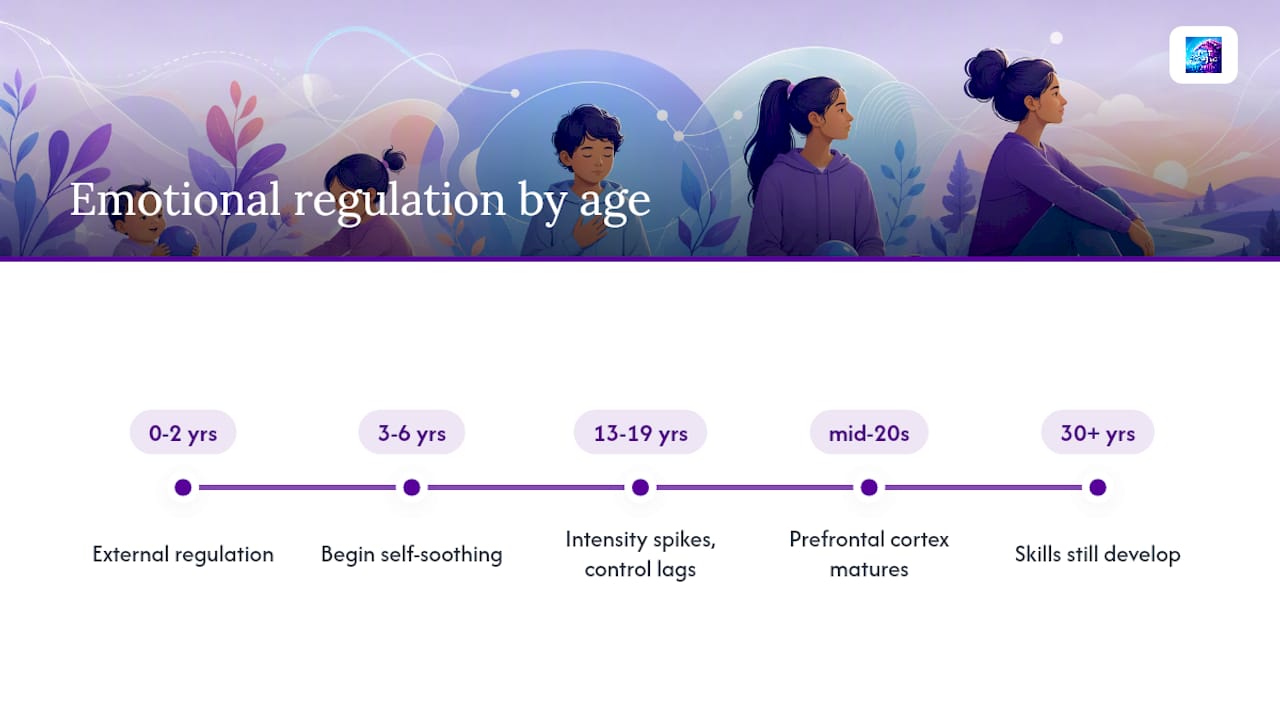
Emotional Regulation and Communication
Emotional regulation is not only an individual reflection practice.
It can also involve how you communicate with other people.
For example, when someone says something upsetting, you might ask:
“Could you explain what you meant?”
When you need time:
“I want to think about this before I answer.”
When you need to express a boundary:
“I am willing to discuss this, but I will not continue while we are insulting each other.”
When you recognize a mistake:
“I interrupted you earlier. I would like to hear what you were saying.”
These actions do not guarantee that every disagreement will be resolved.
They provide practical ways to express yourself while respecting the other person.
PTT Music tracks such as “Talk To Me,” “Face To Face,” “Reach Out,” “Walk With You,” and “Thank You” naturally fit themes of communication, support, connection, and appreciation.
A PTT Music Playlist for Reflection and Personal Growth
The following PTT Music tracks can provide themes for personal reflection and everyday communication.
1. “Now I Know”
Theme: Self-awareness
A fitting track when reflecting on what happened and what you learned.
2. “Shift”
Theme: Perspective
Use the title as a reminder that you can reconsider your first interpretation.
3. “No Distractions”
Theme: Attention
A natural fit when you want to give a conversation or reflection exercise your full attention.
4. “Talk To Me”
Theme: Open communication
The title fits the idea of inviting another person to share their perspective.
5. “Face To Face”
Theme: Direct conversation
A fitting track before preparing for an important discussion.
6. “Reach Out”
Theme: Connection
The title naturally fits taking the initiative to communicate.
7. “Walk With You”
Theme: Support
A reminder that supporting someone does not always mean solving their problems.
8. “Thank You”
Theme: Appreciation
A fitting track when reflecting on the contributions and support of others.
9. “Steps”
Theme: Gradual progress
The title reflects the idea of practicing one manageable behavior at a time.
10. “Keep It Movin’”
Theme: Continuing
A natural choice when returning to your personal-growth routine after an interruption.
Explore these tracks through the PTT Music catalog.
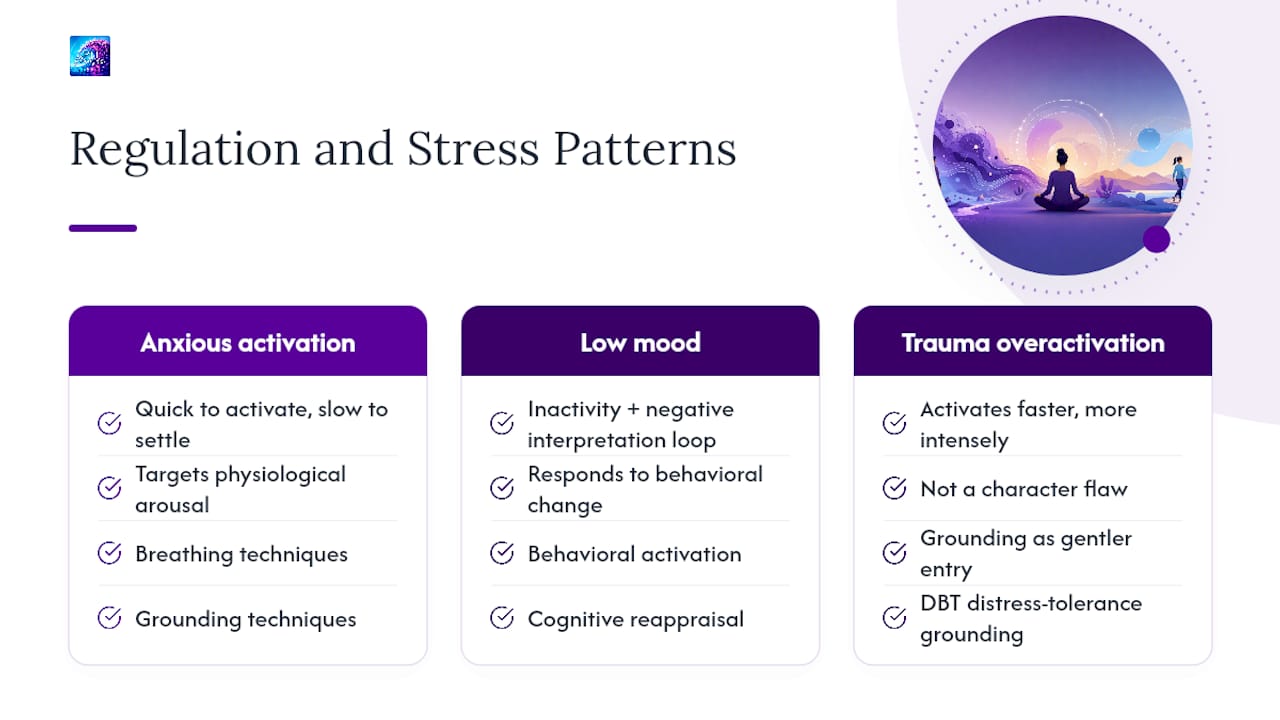
How to Use PTT Music With Your Daily Practice
Music does not need to produce a specific psychological response to have a place in a reflection routine.
A song can simply provide a familiar beginning, a theme, or an enjoyable accompaniment.
Before Reflection
Play:
“Now I Know”
Then ask:
“What did I learn about my response today?”
When Considering Another Perspective
Play:
“Shift”
Then ask:
“What else could this situation mean?”
Before a Conversation
Play:
“Talk To Me”
Then decide:
“What do I need to understand before responding?”
When Reconnecting
Play:
“Reach Out”
Then choose an appropriate next step, such as asking a question or beginning a respectful conversation.
During a Weekly Review
Play:
“Steps”
Then identify one behavior you want to continue practicing.
If music feels distracting or unpleasant during any exercise, you can turn it off.
The purpose is to support your personal routine, not to make music a requirement for emotional regulation.
Frequently Asked Questions
What are emotional regulation skills?
Emotional regulation skills involve recognizing emotional experiences and choosing how to respond to them in different situations.
They may include reflection, communication, changes to a situation, attention management, and response choice.
What are the five emotional regulation strategies?
James Gross’s process model describes five broad strategy categories: situation selection, situation modification, attentional deployment, cognitive change, and response modulation.
These are categories of approaches rather than a mandatory five-step routine.
Can emotional regulation skills be developed?
People can practice skills such as emotional awareness, reflection, communication, and response choice.
However, improvement varies, and no four-week exercise plan can guarantee a particular psychological outcome.
How long does it take to improve emotional regulation?
There is no universal timeline.
Instead of expecting improvement within a fixed number of weeks, focus on specific behaviors you want to practice and review how they work in your everyday life.
Is emotional regulation the same as suppressing emotions?
No.
Suppressing an emotional expression is one possible response, while emotional regulation includes a much broader range of approaches.
It may involve changing a situation, reconsidering an interpretation, taking a pause, communicating, or deciding how to express what you feel.
Does naming an emotion immediately calm the brain?
Research examines emotional labeling and its relationship with emotional processing.
However, it is too strong to promise that naming a feeling will automatically calm the brain or produce immediate relief.
For everyday practice, naming an emotion can simply help you describe your experience more clearly.
Does longer exhalation immediately reduce cortisol or heart rate?
Breathing research examines physiological responses under different conditions, but a specific breathing pattern should not be presented as a guaranteed method for reducing cortisol, heart rate, or emotional intensity within a fixed time.
Use comfortable breathing and avoid forcing or holding your breath if it causes discomfort.
Can music improve emotional regulation?
Music can be part of a personal reflection or communication routine.
However, PTT Music should not be presented as a treatment for emotional dysregulation, anxiety, trauma, or another mental health condition.
When should someone seek professional support?
If emotional difficulties are persistent, overwhelming, create safety concerns, or substantially interfere with everyday life, a qualified mental health professional can provide an individualized assessment and appropriate support.

Keep Growing With PTT Music
Personal growth does not require responding perfectly in every situation.
Sometimes it begins with:
“Now I Know.”
You recognize what you are feeling.
Then you:
“Shift.”
You consider another perspective.
You remove:
“No Distractions.”
You make room for:
“Talk To Me.”
You communicate:
“Face To Face.”
When connection matters:
“Reach Out.”
When another person needs support:
“Walk With You.”
Remember to say:
“Thank You.”
Continue taking:
“Steps.”
And when your routine gets interrupted:
“Keep It Movin’.”
Emotional regulation is not about avoiding every uncomfortable emotion.
It is about creating opportunities to notice, reflect, communicate, and choose responses that fit the situation.
Explore the PTT Music catalog, choose a few tracks that fit your reflection and personal-growth routine, and let PTT Music accompany your everyday practice of thoughtful communication and intentional living.
Discover more original music through the PTT Music home page.
Explore the PTT Music Podcast for additional music-related content and conversations about motivation, resilience, purpose, and personal growth.
Read more lifestyle, communication, and personal-growth articles through the PTT Music Blog.
You can also browse the PTT Music Store and PTT Music Song & Merchandise Collections.