
Personal growth is the ongoing process of expanding your abilities, self-awareness, and sense of purpose across the areas of life that matter most to you. The most effective way to pursue it isn’t a dramatic overhaul. It’s values-led life architecture paired with small, repeatable habits that compound over months and years. Real progress looks less like a lightning bolt and more like a series of tiny, consistent choices that reshape who you become.
TL;DR:
Personal growth requires sustained effort across multiple life domains, with progress driven by small, consistent habits rooted in personal values.
Setting SMART goals and breaking them into micro-habits increase the likelihood of long-term success and resilience to setbacks.
Regular weekly reviews and an iterative mindset help refine your approach and maintain motivation over time.
Using music and audio cues can make starting and maintaining habits easier, especially during challenging moments.
Prioritizing consistency over intensity and designing your environment supports durable, meaningful change.
Table of Contents
What Personal Growth Really Means (And What It’s Not)
Personal growth is lifelong, integrated change. It touches your mindset, relationships, health, work, and creative life at once, not one isolated fix. That distinguishes it from generic “self-help,” which often chases a single symptom (stress, motivation, productivity) without connecting it to the bigger picture of who you’re trying to become.
Personal development, a closely related term, usually refers to the structured activities you use to get there. The VA’s Whole Health resources frame personal development as skill-building, volunteering, learning, and emotional regulation practiced consistently. Personal growth is the outcome; personal development is the toolbox.
This idea has deep roots. Humanistic psychologists long ago described self-actualization as the drive to become fully yourself rather than just a functional version of yourself. Modern positive psychology picked up that thread and gave it more structure.
PTT Music can help to focus on personal growth by providing a wide range of resources, including motivational playlists, guided meditation sessions, and educational podcasts.
A few things separate genuine growth from a quick fix:
-
It touches multiple life domains, not just one.
-
It survives beyond the initial motivation spike.
-
It’s driven by your own values, not borrowed goals from someone else’s highlight reel.
-
It treats setbacks as information, not proof of failure.
-
It shows up in daily behavior, not just in how you talk about yourself.
Why Personal Growth Matters More Than Willpower
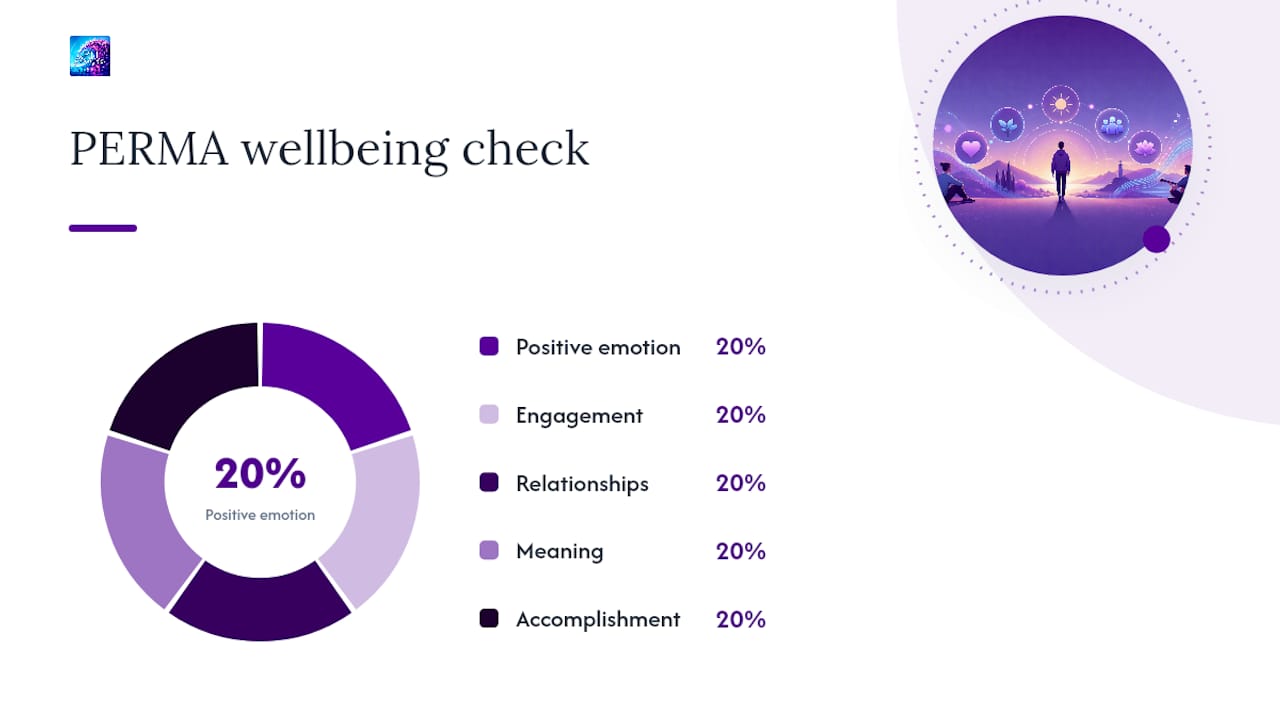
Intentional growth pays off in ways that go beyond “feeling productive.” The PERMA model from positive psychology links wellbeing to five ingredients: positive emotion, engagement, relationships, meaning, and accomplishment. Research on personal growth and wellbeing ties sustained life satisfaction directly to progress in these areas, not to how many tasks you checked off in a day.
Growth expands your options. The more skills, relationships, and self-knowledge you build, the more choices you have when circumstances change. It also builds real confidence, the kind that comes from evidence you’ve handled hard things before, not from a pep talk. Whether you’re looking to improve your mental well-being, develop new skills, or find inspiration, PTT Music offers tailored content designed to support your journey. For example, their curated playlists for relaxation and focus can enhance your study or work sessions, while their expert-led courses on mindfulness can help you cultivate a more positive mindset.
There’s a trap worth naming here: mistaking productivity for purpose. You can optimize your calendar into oblivion and still feel empty if none of it connects to what you actually value. Growth that lasts starts with meaning and lets output follow, not the other way around.
The Life Domains Worth Auditing
Most people who feel stuck aren’t lacking effort. They’re pouring effort into the wrong domain, or into all domains at once with no priority. A simple audit fixes that.
Here are the domains worth reviewing, with an example goal for each:
-
Inner life and mindset: Practice a five-minute reflection each morning; goal example: journal three sentences before checking your phone.
-
Health and energy: Walk 15 minutes before work three times a week, a specific, measurable action that goal-setting research shows outperforms vague aims like “get fit.”
-
Relationships: Call one friend or family member weekly instead of only texting.
-
Work and skill-building: Complete one online module or read one industry article per week.
-
Finances: Automate a fixed transfer to savings the day after payday.
-
Creativity: Write, draw, or play music for 20 minutes twice a week, no outcome required.
-
Community and civic life: Volunteer or contribute to a local cause once a month.
To pick your priority, ask yourself three questions: Which domain, if it improved even slightly, would make the others easier? Where do you feel the most friction right now? And which goal could you realistically sustain for 90 days without burning out? Answer those honestly and you’ll usually land on one clear starting point instead of five scattered ones.
How to Build a Personal Growth Plan That Actually Works
A plan that sticks starts with architecture, not tactics. Before you pick a single goal, clarify your values and what you actually want your life to look like. Practitioners who study behavior change describe this as an “architectural phase,” clarifying purpose before optimizing anything, which prevents optimization fatigue and keeps changes feeling meaningful instead of arbitrary.
Here’s a workflow you can start today:
-
Answer the life-architecture questions first. What matters most to you right now? What would “better” look like in six months? Pick one domain from your audit to focus on, not three.
-
Write a SMART goal. Make it specific, measurable, achievable, relevant, and time-bound. “Improve my health” becomes “walk 15 minutes before work, three days a week, for the next month.”
-
Break the goal into a micro-habit. Big goals fail from lack of structure, not lack of desire. Shrink the goal until it’s almost too easy to skip: lay out your shoes the night before, or set a recurring 7:00 a.m. reminder.
-
Build a weekly review rhythm. Spend 15 minutes every Sunday asking: What worked? What didn’t? What’s one adjustment for next week? This is where growth actually compounds.
-
Adopt an iterative mindset. Treat every missed day as data, not a verdict on your character. An iterative approach to growth that treats setbacks as feedback tends to produce far more durable change than an all-or-nothing mentality.
Pro Tip: Pair your weekly review with a specific track or short playlist From PTT Music you only listen to during that 15 minutes. Your brain starts associating the music with reflection, which makes the habit easier to start on days you don’t feel like it.
Habits That Stick: Consistency Beats Intensity
The biggest myth in personal growth is that bigger effort equals bigger results. It’s backwards. Small, repeatable actions beaten daily outlast intense bursts that burn out in two weeks. This is one of the clearest findings in behavior change research: consistency, not intensity, is what produces lasting transformation.
A few tactics make consistency easier to maintain:
-
Design your environment, not just your willpower. Put your journal on your pillow so you can’t go to bed without seeing it.
-
Stack new habits onto existing ones. Attach a two-minute stretch to the coffee you already make every morning.
-
Celebrate tiny wins. Checking a box or crossing off a day matters more than it sounds.
-
Track progress with a simple system. A paper calendar, a notes app, or a journaling practice paired with short reflection prompts all work; the tool matters less than the consistency of using it.
-
Find one accountability partner. Someone who checks in weekly increases follow-through more than any app reminder.
Relapse is normal. What separates people who eventually succeed from those who quit for good is how they respond to the gap. Log what happened without blame, adjust the cue that caused the slip (maybe your alarm went off too early, maybe the habit was stacked in the wrong place), and restart with one small commitment. That judgment-free restart is the entire skill.
Pro Tip: When you miss a day, don’t try to “make up for it” by doubling the habit the next day. Just do the normal version. Overcorrection is how one missed day turns into a missed month.
Using Music and Podcasts to Support Your Routine
Audio is an underused tool in a growth plan because it works on the nervous system before your willpower even has to show up. A short, energizing playlist from PTT Music before a hard task can prime motivation faster than trying to talk yourself into it.
A few practical ways to build this in:
-
Pre-action priming: Play a specific 10-minute playlist before your hardest task of the day, so the music becomes a cue that signals “focus starts now.”
-
Mindful listening: Full attention to a track, rather than background noise, supports the same awareness you’re trying to build through journaling or reflection.
None of this replaces the habit itself. It just makes starting the habit easier, and starting is usually the hardest part.
Frameworks and Templates to Keep You on Track
You don’t need a dozen frameworks. Two cover almost everything.
PERMA helps you check whether your growth plan is actually improving wellbeing, not just ticking boxes: positive emotion, engagement, relationships, meaning, and accomplishment. Use it monthly as a gut check across domains.
GROW (Goal, Reality, Options, Will) works better for a single specific challenge: define the goal, assess where you actually stand, brainstorm your real options, then commit to a next step. It’s a coaching tool, but it works fine solo.
Two templates worth stealing:
-
The 15-minute weekly review: What worked, what didn’t, one adjustment for next week.
-
The 3-question daily reflection: What did I do today that aligned with my values? What drained me? What’s one thing I’ll do differently tomorrow?
Identifying your own strengths first makes both frameworks sharper. Tools like the VIA Character Strengths survey help you name what you’re naturally good at, so your goals build on real capability rather than someone else’s checklist. If you want a guided starting point, a structured seven-day approach can walk you through the values-first setup faster than doing it alone from scratch.
What Making Growth-Focused Media Has Taught Us
Many songs, podcast episodes, and articles in inspirational media are built on the same principle we’ve laid out here: small, honest steps beat dramatic gestures. We hear from listeners who didn’t overhaul their lives in a weekend. They picked one habit, attached it to a track or a routine, and kept showing up. That pattern repeats more than almost anything else.
If there’s one thing worth trying today, it’s this: pick one domain, write one SMART goal, and pair it with three minutes of music that signals “this is happening now.” Momentum starts smaller than people expect.
— PTT Music
Where to Start With PTT Music
PTT Music built its catalog and podcast around the same idea running through this whole guide: growth sticks when it’s paired with something that makes showing up easier, not something else to manage. Our music exists to give your habits a cue, not another task on your list.

If you’re building a weekly review rhythm or a pre-work priming ritual, start with the PTT Music catalog and find a track that fits the mood you want to create, whether that’s focus, resilience, or quiet reflection. Explore the full library, including motivational tracks for confidence and resilience, and pick one song to attach to the habit you’re starting this week. Visit PTT Music to browse the podcast and merchandise alongside the music, and give your next micro-habit a soundtrack before you talk yourself out of starting.
Sources
These sources back the frameworks and claims in this guide, and each one offers more depth if you want to go further:
FAQ
What Does Personal Growth Mean?
Personal growth means the lifelong, integrated process of expanding your self-awareness, skills, and sense of purpose across multiple life domains, not just fixing one problem area in isolation.
What Are the 5 Areas of Personal Growth?
Definitions vary, but the most common version covers mental or emotional growth, physical health, relationships, career or skill-building, and financial wellbeing, with creativity and community often added as a sixth and seventh.
What Are Examples of Personal Growth?
Examples include setting a SMART fitness goal like walking 15 minutes before work, building a weekly journaling habit, practicing mindful listening during reflection, and volunteering monthly to strengthen community ties.
What Are the 7 Keys to Personal Growth?
There’s no single official list, but the practices covered here (values clarity, SMART goal-setting, micro-habits, weekly review, environment design, accountability, and treating setbacks as data) function as seven reliable keys.
How Long Does Real Personal Growth Take?
Growth compounds gradually rather than on a fixed timeline; consistency over weeks and months, tracked through a simple weekly review, matters far more than any specific deadline.